Timing Is Everything: A Month-by-Month Guide to Landing a Tourism Job in Ecuador
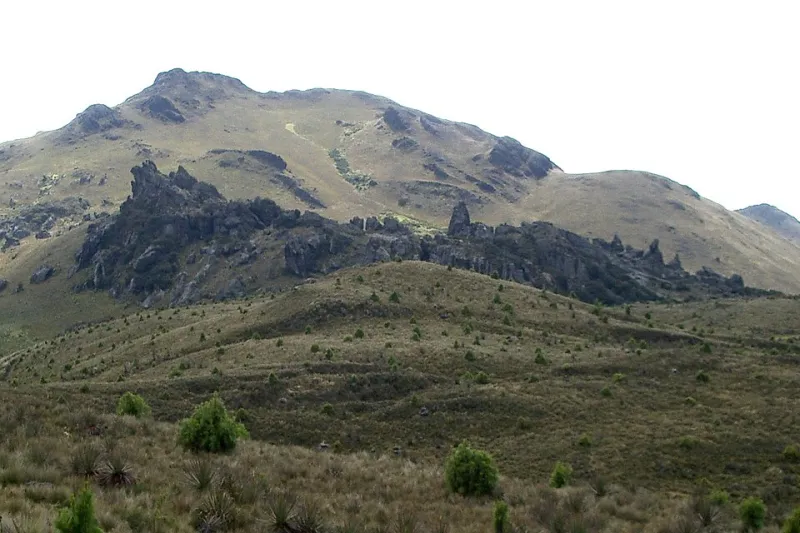
Photo: M. Aschwanden, Public domain, via Wikimedia Commons
For American professionals considering a career move to Ecuador, enthusiasm alone will not secure a position. The country's tourism industry operates on a layered seasonal calendar — one that varies dramatically depending on whether you are eyeing a coastal resort in Montañita, a cloud forest eco-lodge near Mindo, or a high-altitude adventure outfitter in the Andes. Knowing when hiring managers are actively recruiting — and having your visa paperwork already in motion — can give you a decisive advantage over candidates who apply reactively.
This is not a list of travel tips. This is a strategic roadmap for professionals who are serious about entering Ecuador's workforce on their own terms.
Understanding Ecuador's Dual Tourism Calendar
Ecuador does not have a single tourist season. It has several, and they overlap in ways that create year-round opportunity if you know where to look.
The coastal regions — including Santa Elena Province, Puerto López, and the surf towns of Manabí — experience their high season from December through April, when warm, calm seas attract both domestic travelers and international visitors. Beach resort operators, water sports outfitters, and boutique hotels along the Pacific coast typically ramp up hiring between October and November to prepare for this influx.
The Andean highlands, home to Quito, Cuenca, and the adventure tourism corridor stretching through Baños, follow a different rhythm. The dry season runs roughly June through September, drawing trekkers, cyclists, and cultural tourists in large numbers. Lodges, guiding companies, and mountain biking operators in this zone typically begin recruiting in April and May.
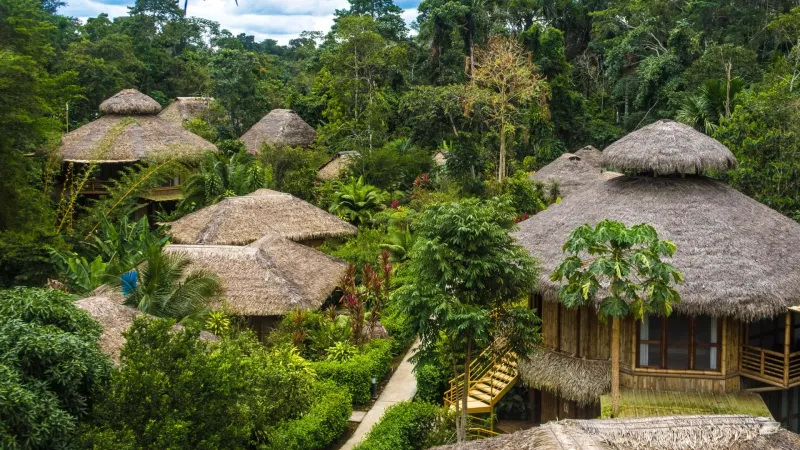
The Amazon basin, Ecuador's third distinct tourism corridor, attracts eco-tourists and wildlife enthusiasts most heavily from July through October and again in February and March. Jungle lodges and river expedition companies often post positions in January for mid-year openings.
For American applicants, the practical takeaway is straightforward: your job search should begin three to five months before the season you are targeting, not three to five weeks.
Visa Processing: Build the Timeline Backward
One of the most common miscalculations American job seekers make is underestimating how long it takes to secure legal work authorization in Ecuador. The country offers several visa categories relevant to foreign workers, including the Professional Visa (Visa de Profesional) and the broader Temporary Residence Visa for those with employment contracts.
In practice, Americans applying from within the United States should budget six to ten weeks for consular processing, document authentication, and apostille requirements. If you are applying from within Ecuador on a tourist entry — which is permitted for up to 90 days — processing times can be shorter, but this path carries its own logistical risks if timelines slip.
The strategic implication: if you want to be legally employed and on-site for the coastal high season beginning in December, your job search should be active by August, your offer letter secured by September, and your visa application submitted no later than early October.
Working backward from your target start date is not optional — it is the only approach that consistently works.
Where the Hiring Happens: Sector-by-Sector Breakdown
Coastal Hospitality and Resort Operations Boutique hotels, surf schools, and beachfront restaurants along the Ruta del Spondylus hire aggressively in the fall. Positions in guest services, food and beverage management, and water sports instruction are particularly common. American candidates with bilingual skills and hospitality certifications are consistently competitive here.
Andean Adventure Tourism Companies operating trekking, mountaineering, and cycling experiences in the central and northern Andes post heavily between April and June. Wilderness First Responder certification, guiding credentials, and experience with high-altitude environments are valued differentiators. Operators in Baños and the Quilotoa Loop region are among the most active recruiters during this window.
Eco-Lodge and Conservation Programs Both the Amazon and the cloud forest regions maintain smaller but consistent hiring cycles tied to international conservation partnerships. Many of these positions — including naturalist guides, lodge managers, and sustainability coordinators — are posted through international platforms and NGO networks. Americans with backgrounds in environmental science, wildlife biology, or sustainable tourism management will find genuine demand here.
Galápagos-Adjacent Mainland Roles While the Galápagos Islands themselves have strict residency requirements for employment, the mainland port city of Guayaquil serves as a logistics and embarkation hub for island-bound tourism. Tour operators, cruise support companies, and travel agencies based in Guayaquil hire year-round, with a notable uptick in January and February ahead of the high travel season.
Practical Steps for American Applicants
The following sequence is not theoretical — it reflects how successful placements in Ecuador's tourism sector typically unfold for foreign nationals.
- Identify your target region and season before you identify specific employers. Your geographic focus should drive your timeline.
- Research employers directly. Ecuador's tourism sector is relationship-driven. Cold applications to HR portals are far less effective than direct outreach to lodge owners, tour operators, and hospitality groups.
- Engage with professional networks. Platforms connecting international hospitality professionals, as well as Ecuador-focused expat and professional communities, are often where positions are informally circulated before they are publicly posted.
- Prepare your documentation early. U.S. academic and professional credentials typically require apostille certification through your state's Secretary of State office before they are accepted by Ecuadorian authorities. This process alone can take several weeks.
- Consult an immigration attorney or registered consultant familiar with Ecuadorian labor law. The regulatory landscape changes periodically, and professional guidance reduces the risk of costly errors.
The Competitive Edge You Can Build Right Now
Ecuador's tourism industry is not a market that rewards passive interest. Employers in the coastal resort corridor and the Andean adventure sector are accustomed to fielding inquiries from international candidates — but they consistently hire the ones who demonstrate preparation, professionalism, and genuine familiarity with the country's regional character.
If your target start date is next summer, the time to begin is now. Research your preferred region, map your visa timeline, and start building the professional relationships that convert interest into employment. Ecuador's hiring windows open and close with the seasons — and the professionals who understand that rhythm are always the first ones through the door.