Ecuador's Hidden Frontiers: Why Savvy American Professionals Are Betting on Baños, Mindo, and Salinas
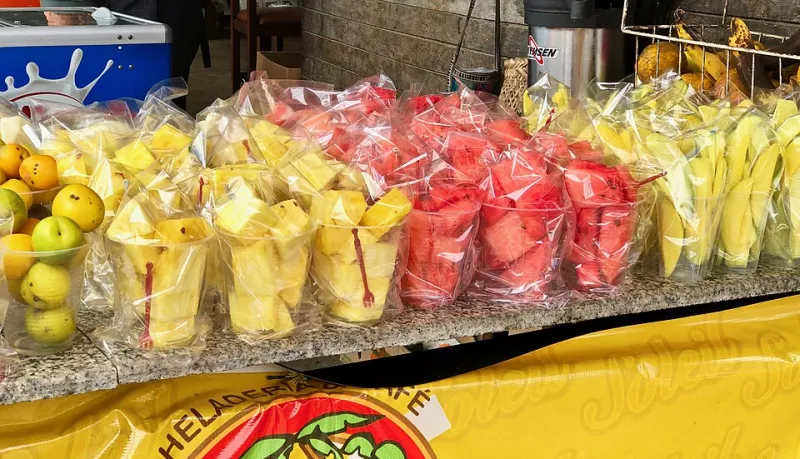
Photo: F Delventhal from Outside Washington, D.C., US, CC BY 2.0, via Wikimedia Commons
There is a particular kind of professional advantage that comes from arriving early. In the context of Ecuador's rapidly diversifying tourism economy, "arriving early" no longer means booking a flight to Quito or securing a research post in the Galápagos. It means turning your attention toward the country's secondary destinations — places like Baños de Agua Santa, Mindo, and Salinas — where hospitality infrastructure is expanding faster than the local talent pool can fill it.
For American professionals with backgrounds in hotel management, adventure guiding, eco-tourism programming, or sustainable travel consulting, these emerging hubs represent something increasingly rare in the global job market: genuine ground-floor opportunity.
Why Secondary Destinations Are Gaining Momentum
Ecuador's tourism sector posted consistent growth in visitor arrivals throughout the early 2020s, and the benefits have not been confined to the country's flagship destinations. Regional investment in road infrastructure, digital connectivity, and community-based tourism initiatives has made previously overlooked areas far more accessible — both for travelers and for the businesses that serve them.
Local and national government programs, alongside international development organizations, have actively encouraged tourism diversification as a strategy for spreading economic benefits beyond major urban centers. The practical result: boutique lodges, adventure outfitters, surf schools, and specialty restaurants are opening across Ecuador's interior and coastal regions at a pace that outstrips the available workforce.
That gap between supply and demand is where American professionals can position themselves strategically.
Baños de Agua Santa: Adventure Tourism's Quiet Capital
Nestled in the Andean foothills where the highlands give way to the Amazon basin, Baños has built a reputation among South American travelers as a premier adventure destination. White-water rafting on the Pastaza River, zip-lining across volcanic gorges, paragliding over lush valleys, and cycling the famous Ruta de las Cascadas draw visitors year-round. Yet despite this established appeal, the town's hospitality and guiding sectors remain comparatively underdeveloped by international standards.
For Americans with certifications in wilderness first response, whitewater instruction, or outdoor recreation management — credentials that are well-recognized through organizations like the American Canoe Association or the Wilderness Education Association — Baños presents compelling possibilities. Boutique adventure outfitters in the region have shown a consistent preference for bilingual guides capable of serving the growing North American and European visitor segments, and managerial roles at mid-tier lodges frequently go unfilled simply because qualified candidates are not aware these positions exist.
The cost of living in Baños remains modest by U.S. standards, which means that even positions offering locally competitive salaries can translate into a comfortable quality of life for an American professional relocating from a major metropolitan area.
Mindo: Where Eco-Tourism Expertise Commands a Premium
Approximately two hours northwest of Quito, the cloud forest community of Mindo has earned international recognition as one of the world's premier birdwatching destinations. With more than 500 recorded bird species in the surrounding reserve — including numerous hummingbird varieties and the iconic Cock-of-the-Rock — Mindo attracts serious naturalists from across North America and Europe who expect a corresponding level of interpretive expertise from local operators.
The challenge facing Mindo's eco-lodge and nature tour sector is straightforward: the demand for knowledgeable, English-fluent naturalist guides and lodge program directors regularly exceeds local supply. American professionals with degrees or professional backgrounds in environmental science, ecology, ornithology, or conservation biology are finding that credentials which might feel oversaturated in the U.S. job market carry significant weight in Mindo.
Beyond guiding roles, there is meaningful demand for individuals who can develop and manage sustainable tourism programming — designing multi-day itineraries, coordinating with community conservation projects, and building the kind of immersive experience packages that attract repeat visitors and generate premium revenue. These are operational and creative roles that reward the kind of interdisciplinary thinking that many American professionals develop through careers in environmental nonprofits, national park systems, or outdoor education.
Salinas: A Coastal Market Still Defining Itself
On Ecuador's Pacific coast, the resort city of Salinas has long served as a domestic vacation destination for Ecuadorian families. However, international visitor traffic has grown substantially in recent years, driven in part by the region's surf culture, sport fishing industry, and proximity to protected marine areas. This influx of international tourism has created a notable gap between what visitors expect and what the existing hospitality infrastructure currently delivers.
For American professionals with experience in resort management, food and beverage operations, or high-end customer service — industries where the U.S. has genuinely world-class operational standards — Salinas represents a market that is actively seeking to elevate its offerings. Boutique properties along the Salinas waterfront and in nearby Santa Elena Province are investing in renovations and rebranding efforts aimed at capturing a more discerning international clientele, and they are looking for managers and department heads who understand what that clientele expects.
Surf instruction and marine recreation also present niche opportunities. American surf instructors and dive professionals holding internationally recognized certifications from organizations such as PADI or the International Surfing Association will find that their credentials open doors that remain closed to many local applicants.
Practical Considerations for Americans Exploring These Markets
Relocating to pursue employment in Ecuador's emerging tourism corridors requires the same practical groundwork as any international career move, and American professionals should approach the process with appropriate diligence.
Visa and work authorization requirements in Ecuador vary depending on the nature of the employment arrangement. Those entering formal employment relationships with Ecuadorian businesses will typically need to coordinate with their employer on the appropriate visa category, while independent contractors and remote workers may qualify under different frameworks. Consulting with an immigration attorney familiar with Ecuadorian labor law is a worthwhile investment before making any commitments.
Language proficiency, while not always a formal requirement in international-facing roles, meaningfully improves both the employment experience and daily quality of life. Spanish language programs are widely available throughout Ecuador, and many employers in the tourism sector view demonstrated effort to learn the language as a strong indicator of long-term commitment.
Finally, professional networks matter. Connecting with organizations such as the Ecuador Tourism Board, regional chambers of commerce, and international sustainable tourism associations before arriving in-country can open doors that cold applications rarely do.
The Window Is Open — But It Will Not Stay That Way
Ecuador's secondary tourism destinations are at an inflection point. The combination of improving infrastructure, growing international visitor interest, and active government support for regional tourism development means that the employment landscape in places like Baños, Mindo, and Salinas is likely to look very different five years from now than it does today.
For American professionals who recognize opportunity in its early stages, that trajectory is precisely the point. The roles available now — and the professional relationships that come with them — are the kind that tend to define careers. The question is whether you are the type of person who waits for a destination to become famous, or the type who helps make it that way.