Rooted in Tradition: How Indigenous-Led Tourism Programs Are Reshaping Career Paths for International Workers in Ecuador
Photo: Press Information Department, Public domain, via Wikimedia Commons
A Different Kind of Professional Development
Most Americans pursuing international careers think first about language schools, professional certifications, or corporate relocation packages. What fewer consider is the growing network of indigenous-led training initiatives quietly transforming how sustainable tourism is practiced — and who gets to practice it — across Ecuador.
From the Kichwa communities of the Napo River basin to the Quechua-speaking villages nestled in the folds of the Andes, Ecuador's indigenous nations have spent years developing structured programs that invite international workers into their economies — not as volunteers or tourists, but as trainees, collaborators, and, eventually, contributors to a tourism model built on reciprocity rather than extraction.
For American professionals exploring career opportunities in Ecuador, these programs offer something the conventional job market rarely provides: the chance to build expertise in community-based tourism while working directly alongside the people who invented it.
What Community-Based Tourism Actually Looks Like
Community-based tourism (CBT) is often described in broad strokes, but the specifics matter enormously — especially for workers considering a professional pivot or an extended stay in Ecuador.
In practice, CBT programs operated by indigenous communities typically involve guiding visitors through ecologically sensitive areas, facilitating cultural exchanges, managing small-scale lodges or eco-camps, and coordinating with regional and national tourism boards. The work is logistically demanding and culturally nuanced. It requires participants to understand not just the geography of a given region, but the social protocols, conservation philosophies, and economic priorities of the community hosting them.
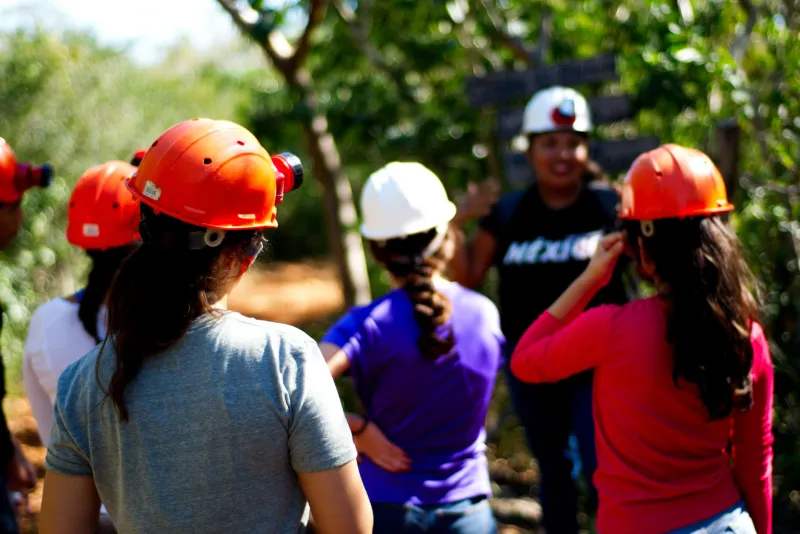
Several Amazonian communities, including those affiliated with the Achuar and Shuar nations in Ecuador's southern jungle, have formalized training tracks that pair international workers with local guides and community leaders. These tracks cover everything from wildlife identification and trail management to conflict resolution with visiting tour operators — skills that translate directly into credentials recognized by Ecuador's Ministry of Tourism.
In the highlands, communities near Otavalo and in the Chimborazo province have developed parallel programs focused on agro-tourism and textile heritage, training international participants in sustainable farming practices and the cultural significance of traditional weaving — both of which have become major draws for culturally curious travelers from North America and Europe.
Why American Workers Are Taking Notice
The appeal for U.S. professionals is multidimensional. On one level, these programs address a growing demand among American workers — particularly those in their late twenties and thirties — for careers that align with values around environmental sustainability, cultural respect, and community impact. The conventional tourism industry, for all its growth, has struggled to offer that alignment in a credible way.
On another level, the practical credentials gained through indigenous-led CBT programs are increasingly marketable. Ecuador's tourism sector is expanding rapidly, and operators, NGOs, and government agencies are actively seeking professionals with on-the-ground experience in sustainable and community-integrated models. Workers who complete formal training with recognized indigenous organizations can point to a résumé entry that sets them apart in a crowded field.
There is also the matter of economic reality. Ecuador remains one of the more affordable countries in Latin America for long-term stays, and many CBT programs offer stipends, housing, or revenue-sharing arrangements that make extended participation financially viable — particularly compared to the cost of a graduate certificate program in the United States.
Preserving Knowledge While Building Careers
One of the less-discussed dimensions of these programs is their role in cultural preservation. Indigenous communities across Ecuador have identified international worker participation as a mechanism for reinforcing — rather than diluting — traditional knowledge systems.
When an outside professional learns to lead an ethnobotanical tour of the cloud forest under the guidance of a Kichwa elder, the process of teaching sharpens and documents knowledge that might otherwise remain informal. Community members who serve as mentors often describe the experience as one that strengthens their own sense of cultural authority, particularly among younger generations who see their heritage valued by outsiders willing to travel thousands of miles to learn from it.
This dynamic is not incidental. Many indigenous-led CBT programs are explicitly designed with dual objectives: generating income for the community and creating a living archive of ecological and cultural knowledge. International workers, when integrated thoughtfully, serve both goals.
Navigating the Practical Side
For Americans seriously considering this path, a few practical considerations are worth addressing directly.
Visa requirements are a starting point. Ecuador offers a range of visa categories, including options for professionals engaged in cultural or educational exchange, and the country has historically maintained relatively accessible entry policies for U.S. citizens. That said, workers planning to participate in paid roles within CBT programs should consult with an immigration specialist to ensure their status is properly documented.
Spanish proficiency is helpful but not always a prerequisite — many programs operate with bilingual coordinators, and some communities near major tourism corridors have developed onboarding processes specifically designed for English-speaking participants. However, workers who invest in intermediate Spanish before arriving will find their experience significantly richer and their professional relationships more substantive.
Health infrastructure in remote areas varies considerably. Workers planning to spend extended time in the Amazon should prepare accordingly, including updated vaccinations and travel health consultations. Most established CBT programs provide orientation materials that address health and safety protocols in detail.
A Career Path With Broader Implications
The emergence of indigenous-led tourism training as a legitimate professional pathway reflects something larger happening in Ecuador's labor market. The country is increasingly positioning itself not just as a destination for travelers, but as a training ground for the next generation of sustainable tourism professionals — and it is inviting international workers to be part of that project.
For Americans who have grown disillusioned with conventional career trajectories, or who are simply looking for work that carries genuine meaning, Ecuador's indigenous communities are extending an offer worth taking seriously. The learning curve is real, the cultural protocols demand genuine respect, and the work is not glamorous in the way that tourism marketing often suggests.
But for those willing to engage on those terms, the professional and personal returns are considerable — and the communities extending the invitation have built something that no resort brand or corporate training program can replicate.